understanding the thermostat temperature controller: principles, types, and applications
Release time:2026-03-28 05:40:38
A thermostat temperature controller is a fundamental device used to regulate temperature in various systems, ranging from household appliances to industrial equipment. By maintaining a desired temperature, it ensures comfort, safety, and optimal operation of devices. The working principle of a thermostat temperature controller is relatively straightforward but can be implemented in diverse ways depending on precision requirements and the nature of the controlled environment.
At its core, a thermostat temperature controller consists of three main components: a temperature sensor, a control unit, and an output mechanism. The temperature sensor continuously monitors the current temperature of the environment or equipment. Common sensors include thermistors, thermocouples, and resistance temperature detectors (RTDs). The sensor sends real-time data to the control unit, which compares it with a user-defined setpoint. Based on this comparison, the controller decides whether to activate heating, cooling, or maintain the current state, sending signals to the output device such as a heater, cooler, or fan.
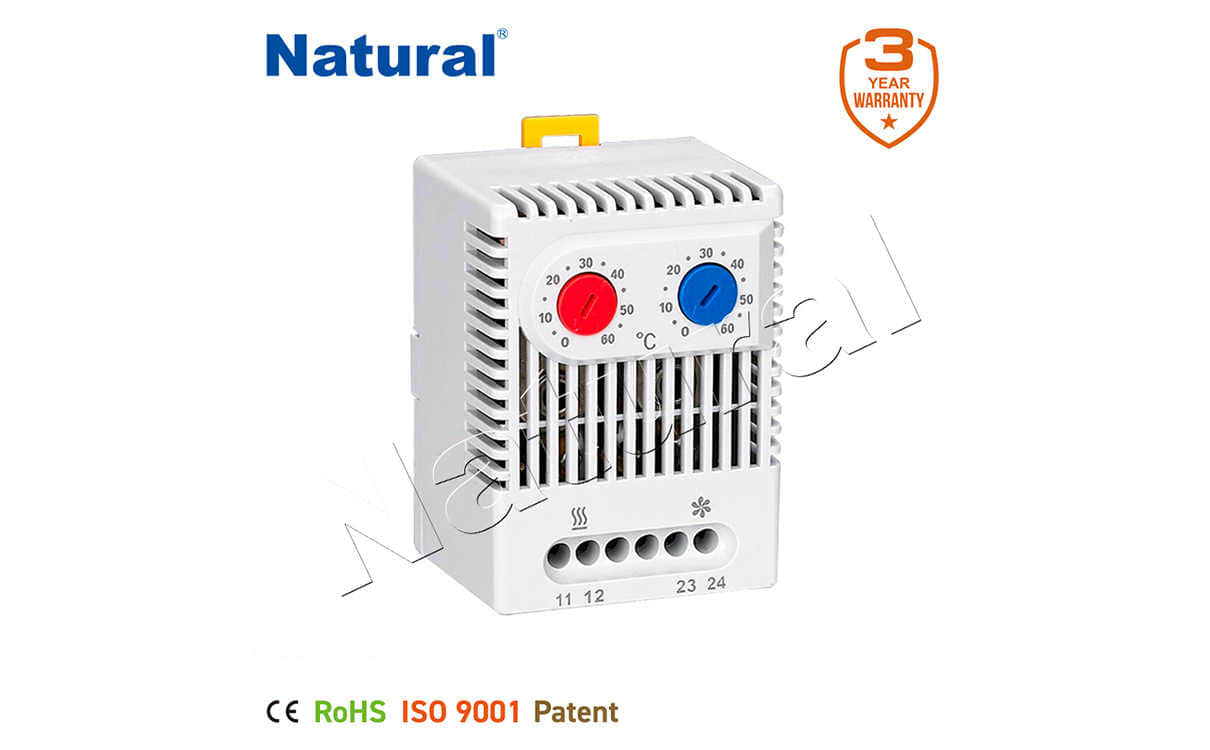
 28 items Patent