the essential role of fan filters in modern airflow systems
Release time:2026-01-19 20:48:15
In modern technology and industrial applications, maintaining clean and efficient airflow is crucial. One of the simplest yet most effective tools for achieving this is the fan filter. Though often overlooked, fan filters play a critical role in protecting equipment, enhancing air quality, and extending the lifespan of electronic and mechanical systems. This article explores what fan filters are, how they work, their key applications, and why they are indispensable in both domestic and industrial environments.

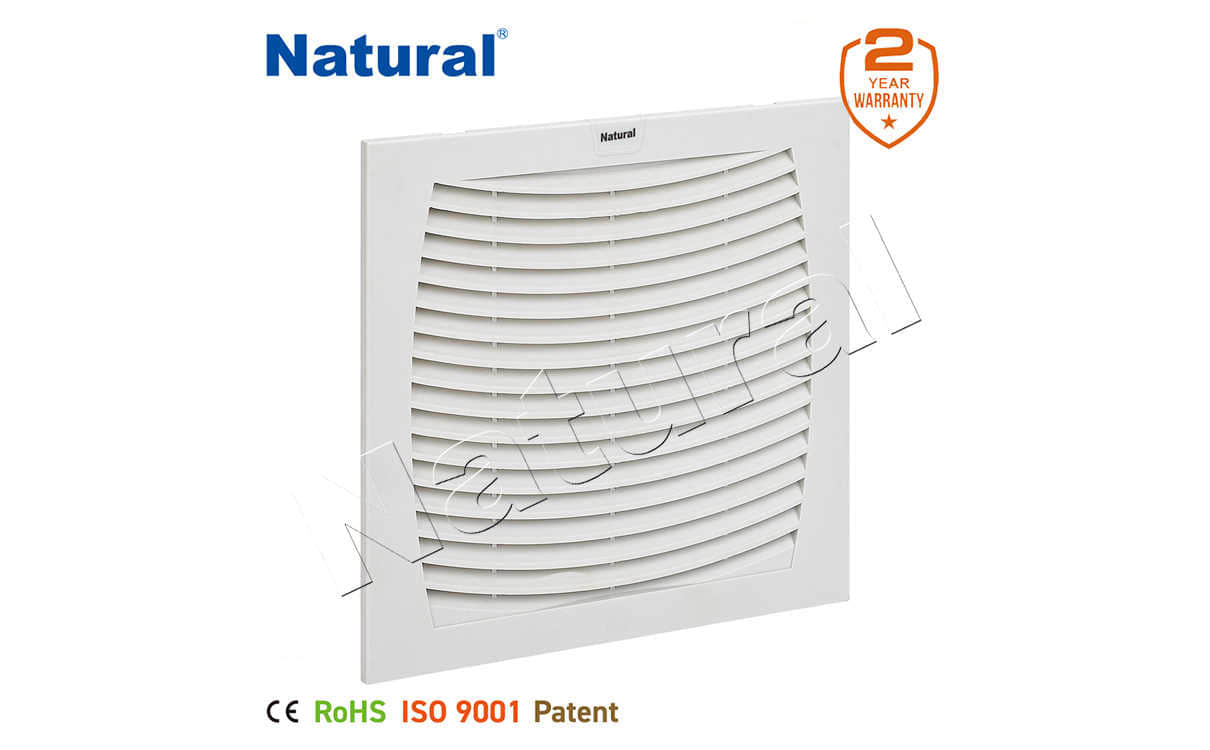
A fan filter is a device designed to trap dust, debris, and other airborne particles before they enter a system through its cooling fan. It usually consists of a frame that holds a mesh or fibrous filter medium. As air is drawn in by the fan, the filter captures contaminants, allowing only clean air to pass through. This simple mechanism helps prevent dust accumulation on sensitive components such as circuit boards, processors, and power supplies in computers or industrial machines. Without fan filters, dirt buildup can lead to overheating, short circuits, and reduced performance.
There are various types of fan filters, each suited for different applications. The most common are foam filters, metal mesh filters, and HEPA (High-Efficiency Particulate Air) filters. Foam filters are lightweight and ideal for general dust protection in household or office devices. Metal mesh filters, typically made from aluminum or stainless steel, are more durable and suitable for industrial use where airflow and heat dissipation are critical. HEPA filters, on the other hand, are used in environments that demand ultra-clean air, such as medical facilities, laboratories, and clean rooms. These filters can trap extremely fine particles, including bacteria and smoke.
 28 items Patent